WPS in UAE: A Complete Guide for Businesses and Employees in 2026
The Wage Protection System (WPS) in UAE has become a cornerstone of fair employment practices, financial transparency, and digital payroll compliance. As the UAE workforce continues to grow and diversify in 2026, WPS is no longer just a regulatory requirement it is a business necessity that directly impacts employee trust, operational efficiency, and legal standing.

Whether you are an employer, HR professional, finance leader, or employee, understanding how WPS works today and how it is evolving can help you stay compliant and future-ready.
What Is WPS in UAE?
The WPS in UAE is an electronic salary transfer system introduced by the UAE government to ensure that employees are paid accurately and on time. It connects employers, banks, exchange houses, and government authorities through a secure digital framework.
Under WPS, companies must process employee salaries through approved financial institutions, allowing authorities to monitor wage payments and identify delays, discrepancies, or violations.
In 2026, WPS has evolved beyond basic salary tracking into a smart compliance ecosystem aligned with digital labor reforms and workforce transparency initiatives.
Why WPS Is More Important Than Ever in 2026
The UAE’s labor market is becoming more technology-driven, regulated, and employee-centric. Here’s why WPS plays a critical role today:
1. Strengthened Employee Rights
WPS ensures employees receive:
-
Full salaries without unauthorized deductions
-
Payments on or before due dates
-
Clear salary records linked to employment contracts
This has significantly reduced wage disputes across industries.
2. Digital Governance and Transparency
The UAE government continues to invest in digital governance. WPS supports:
-
Real-time salary monitoring
-
Data-driven labor inspections
-
Transparent employer-employee relationships
3. Increased Enforcement and Penalties
In 2026, penalties for WPS non-compliance are stricter and more automated, making manual or delayed payroll processing a major risk.
Who Must Comply with WPS in UAE?
WPS applies to:
-
Private sector companies registered with MOHRE
-
Mainland and selected free zone entities
-
Businesses of all sizes, from startups to enterprises
Certain free zones have their own payroll frameworks, but many now align closely with WPS standards to ensure consistency and worker protection.
How WPS Works: Step-by-Step
Understanding the workflow helps businesses avoid costly mistakes.
Step 1: Salary Information File (SIF)
Employers prepare a digital Salary Information File containing:
-
Employee details
-
Salary amounts
-
Bank or exchange account data
Step 2: Submission via Approved Institution
The SIF is submitted through:
-
WPS-approved banks
-
Exchange houses authorized by the UAE Central Bank
Step 3: Verification and Processing
The system validates salary data against registered labor contracts and flags discrepancies.
Step 4: Salary Disbursement
Once approved, salaries are transferred directly to employee accounts or wage cards.
WPS in UAE: Common Compliance Requirements
To remain compliant in 2026, employers must ensure:
-
Salaries are paid within the approved wage cycle
-
No employee is unpaid beyond the allowed grace period
-
Salary amounts match MOHRE-registered contracts
-
Records are maintained for audits and inspections
Failure in any of these areas can trigger automated penalties.
Penalties for WPS Non-Compliance in 2026
The UAE has adopted a zero-tolerance approach toward wage violations. Consequences may include:
-
Suspension of new work permits
-
Restrictions on company operations
-
Financial penalties
-
Downgrading of company classification
-
Legal action in severe or repeated cases
For growing businesses, even a short delay can disrupt hiring plans and operational continuity.
How WPS Impacts Employees
For employees, WPS provides:
-
Assurance of timely salary payments
-
Digital proof of income
-
Greater financial security
-
Reduced dependency on informal payment methods
In 2026, WPS data is increasingly used to support:
-
Loan applications
-
Visa renewals
-
Employment verification
This makes compliant payroll processing a shared benefit for both employers and employees.
The Role of Technology in WPS Today
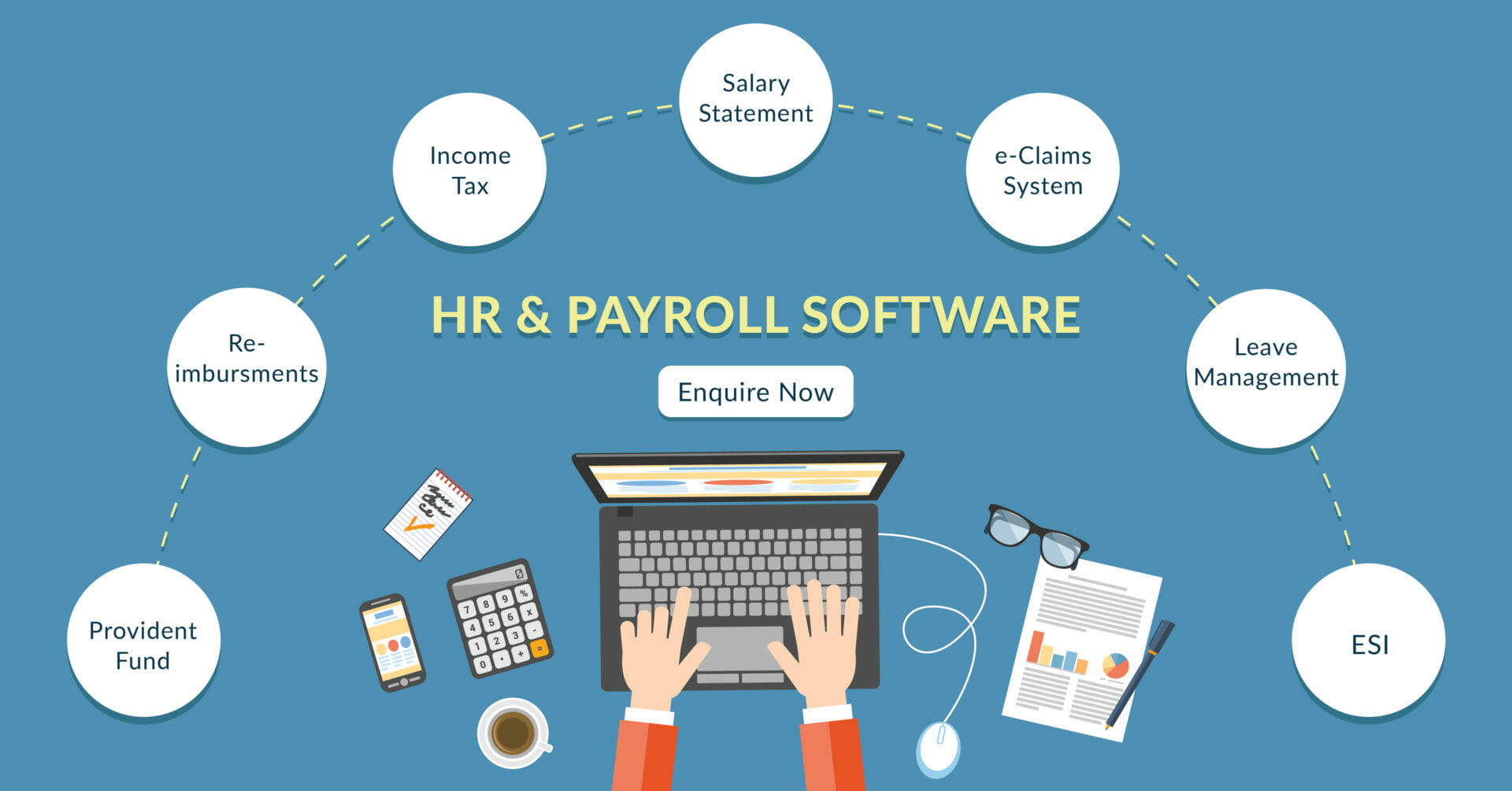
Modern WPS in UAE is no longer a standalone payroll task. It is now integrated with:
-
Payroll management systems
-
HRMS platforms
-
Treasury and cash-flow solutions
-
Compliance monitoring tools
Automation reduces human error, speeds up processing, and ensures accuracy across payroll cycles.
Challenges Businesses Face with WPS
Despite its benefits, businesses often struggle with:
-
Manual payroll errors
-
Incorrect employee data
-
Bank rejections due to formatting issues
-
Delays caused by insufficient payroll funding
-
Lack of real-time compliance visibility
In 2026, these challenges are best addressed through professional payroll and treasury support rather than in-house manual processes.
Best Practices for WPS Compliance in 2026
To stay compliant and stress-free, businesses should:
-
Adopt Automated Payroll Systems
Automation ensures accuracy, consistency, and timely submissions. -
Maintain Updated Employee Records
Contract mismatches are a common cause of WPS rejection. -
Plan Payroll Funding in Advance
Treasury planning is critical to avoid last-minute salary delays. -
Partner with WPS Experts
Outsourcing payroll and treasury services reduces compliance risk. -
Monitor Compliance Regularly
Proactive monitoring prevents penalties before they occur.
WPS and the Future of Payroll in UAE
As we move beyond 2026, WPS is expected to integrate further with:
-
AI-driven compliance tools
-
Real-time labor dashboards
-
Advanced financial forecasting systems
The focus will continue shifting from enforcement to prevention, enabling businesses to operate transparently while supporting employee well-being.
Final Thoughts
The WPS in UAE is more than a regulatory framework it is a reflection of the country’s commitment to fair employment, digital transformation, and sustainable economic growth. For businesses, compliance is no longer optional or administrative; it is strategic.
By embracing modern payroll technology, aligning treasury operations, and staying informed about regulatory updates, organizations can turn WPS compliance into a competitive advantage in 2026 and beyond.
A compliant payroll is not just about paying salaries it’s about building trust, stability, and long-term success in the UAE’s evolving workforce landscape.
.jpg)
Comments
Post a Comment